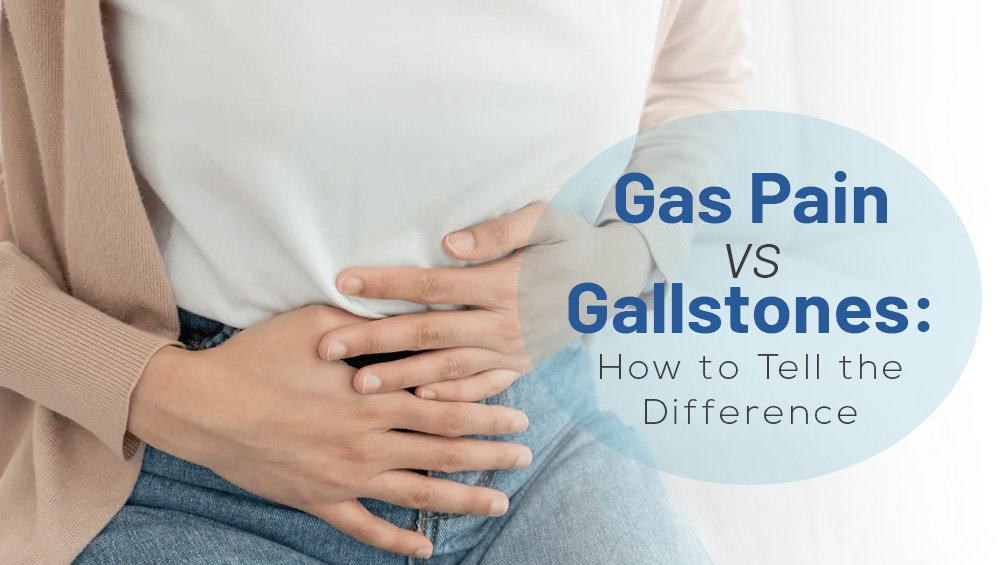
The sudden pain in the upper abdomen can be difficult to understand. At one point, you're feeling perfectly well, next thing you know, you're clutching your stomach and thinking it's gas, or something else more severe. Many individuals ask the same question: "Do gallstones lead to gas?" Although gas cannot be considered one of the direct consequences of gallstones, the symptoms of gallstones can be similar to those of gas, thus causing confusion.
This blog will help you understand the differences between gas pain and Gallstones in straightforward, easy terms to help you be aware of the symptoms and signs and know when you should seek medical treatment.
What Does Normal Gas Pain Feel Like?
Gas is a natural component of digestion, and nearly all suffer from occasional gas pain. It is usually caused when air is trapped in the digestive tract, or when certain foods break down, releasing gas.
Gas pain is felt in a variety of ways. The discomfort is usually felt in different places and may appear on the left or right side, or in the middle part of your abdomen, or even close to the chest. It is often described as a tense pain, bubbling, or a sensation of motion in the stomach. The pain usually lasts only a few minutes, but can last from just a few minutes up to an hour.
The great thing about simple gas pain is that it heals rapidly. Gas leaks, burping, and walking, or even taking basic prescription antacids, can provide relief.
Foods such as broccoli, beans, and dairy may cause gas. Consuming fizzy beverages, eating fast eating too fast, swallowing air, or being stressed can cause gas pain.
What Do Gallstones Feel Like?
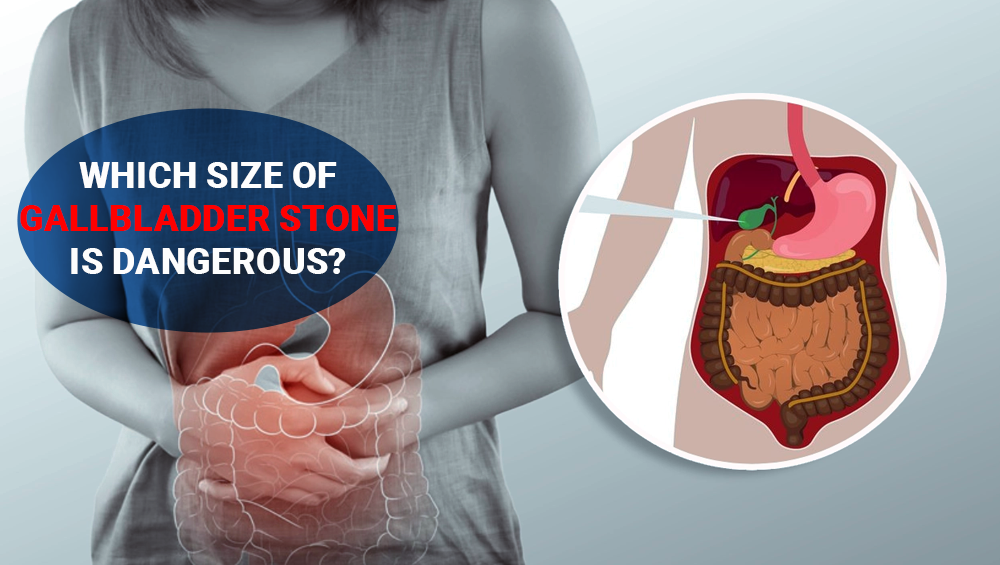
Gallstones are solid materials that develop in the gallbladder. The movement of the gallstone and the consequent blockage of the bile duct lead to a sudden, sharp pain termed biliary colic. This pain feels very different from the usual gas.
The pain location is one of the most significant imparts. Pain due to gallstones commonly originates from the upper right section of the abdomen and can radiate to the back or right shoulder blade. Unlike gas, which is intermittent, gallstone pain is constant, very painful, and it remains so despite the movements, burping, or passing of gas.
The other critical aspect is the length of the attack. The duration of an attack of gallstones is typically from 30 minutes to several hours. The gallbladder is contracted because of the intake of these foods, and thus the gallstone moves, which is the reason it often occurs after a heavy, oily, or fried meal.
Do Gallstones Cause Gas or Bloating?
People often ask, “Do gallstones cause gas?” The answer is: not directly." Gas and bloating belong to the class of general digestive symptoms and can appear due to various underlying reasons. Although some gallstone patients might experience abdominal distension after a meal, the primary symptom of gallstones remains acute, pinpoint, and persistent discomfort, not gas. Distinguishing the two correctly between simple indigestion and something serious helps you a lot.
Gas Pain vs. Gallstones: Quick Comparison Table
Feature | Gas Pain | Gallstone Pain |
| Location | Anywhere—left, right, centre, chest | Upper right abdomen, radiates to the back or the shoulder |
| Sensation | Cramping, moving, bubbling | Sharp, intense, steady |
| Duration | Minutes to 1 hour | 30 minutes to several hours |
| Relief | Passing gas, burping, and movement | Not relieved by movement or gas |
| Trigger | Gas-forming foods, air swallowing, and stress | Fatty, oily meals |
| Main Clue | Comes and goes | Severe, fixed location |
This table can help highlight the difference between Gas pain and Gallstones easily and clearly.
Symptoms of Gas Pain vs Gallstones
Symptoms of Gas Pain
- A sharp or squeaky pain that goes away and comes back
- A feeling of fullness or pressure.
- The discomfort can occur throughout the abdomen as well as within the chest area.
- Getting relief after a burp or fart, walking or changing positions.
- The stomach can be rumbling or bubbling. the stomach
Symptoms of Gallstones
- Inspiring, sharp pain in the right upper abdomen
- Pain radiating into the right or back shoulder blade
- The pain may take from 30 minutes to a few hours
- Vomiting or nausea, especially after large meals
- In extreme cases such as fever, jaundice, and continuous vomiting
These signs help in differentiating between Gas pain and Gallstones.
Causes of Gas Pain vs Gallstones
What causes Gas Pain
- Eating gas-forming foods like beans, cabbage, broccoli
- Consuming air while eating or drinking alcohol too quickly
- Consuming carbonated drinks
- Intolerances to food
- The effects of anxiety or stress on digestion
The causes of Gallstones
- Food containing a lot of fat or fried food
- Cholesterol content in the Bile is at a high level
- Drop in weight, quick or long fasting
- Overweight or non-active living
- Women's hormones (gestation, contraception, menopause)
- Gallbladder stones and stones inherited from the family
Once you are aware of these causes, it will be easy for you to figure out what might be the reason causing your symptoms.
Don't Guess: When Pain Needs a Professional Diagnosis
Do not consider very sharp abdominal pain as “only gas.” If the pain is extremely intense, it will return often after eating, or if it continues longer than two hours, an appointment with the doctor is required.
On the list of serious symptoms are:
- Fever
- Skin or eyes turning yellow, which is jaundice
- Throwing up constantly
- Excruciating pain has been going on for more than a few hours
- Deeply colored urine or very light stool
Ultrasound, lab tests or a physical examination may be used by doctors to determine if gallstones are the reason. Early detection can avoid complications such as inflammation or infection.
Peace of Mind and Professional Care
Most of the time, abdominal pain is nothing more than mild and the result of simple gas; however, persistent or severe pain should never be neglected. By knowing the difference between Gas and Gallstones, you are able to take the appropriate action at the right moment.
If you are living in the NCR area and are worried about your symptoms, always seek professional help. For the most reliable diagnosis and treatment, visiting the best gallbladder surgeon in Gurgaon means that you are going to get safe and effective care. And in case surgery is necessary, selecting the best laparoscopic surgeon in Gurgaon grants you the possibility of having minimally invasive, quicker-recovery treatment.
Dr. Vikram Aryan, the best laparoscopic surgeon in Gurgaon, having more than 18 years of experience, has the qualities and the knowledge to be trusted for his advanced skills in gallbladder and laparoscopic operations.