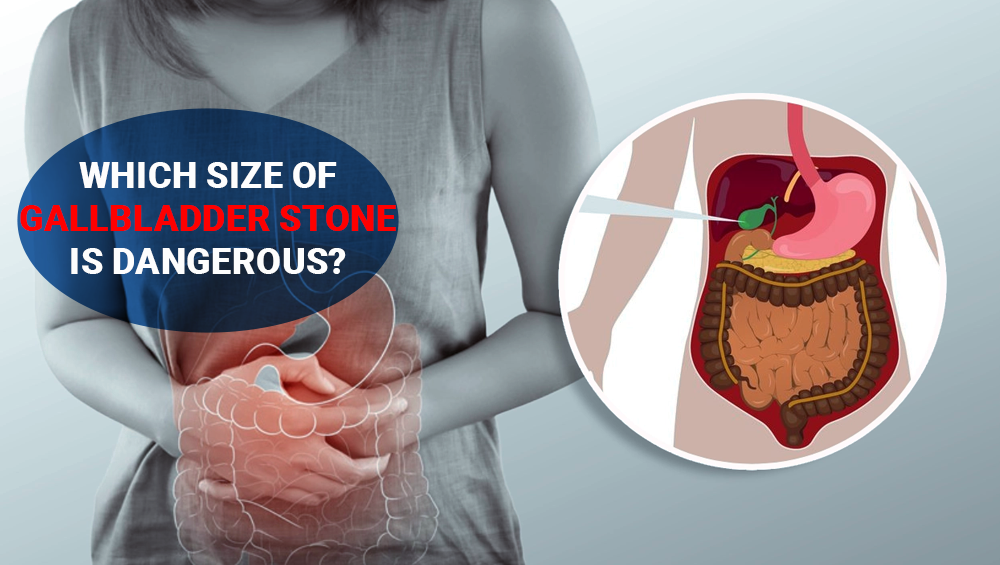
Gallbladder stones are super common, but one thing that is often confusing is what size gallstone is dangerous. Some think there is only a danger with larger stones. Some worry that ultrasounds show many smaller stones. The real answer is that size, movement, and location all decide the level of danger.
This is why we are going to explain the size of stones this way, so you can understand what size stones need urgent treatment, why small ones can be so dangerous, what symptoms you should never ignore, and why surgery is so necessary.
By the end of reading all of this, you should know what size gallstone is dangerous to your health and how you can manage that properly.
What Are Gallbladder Stones?
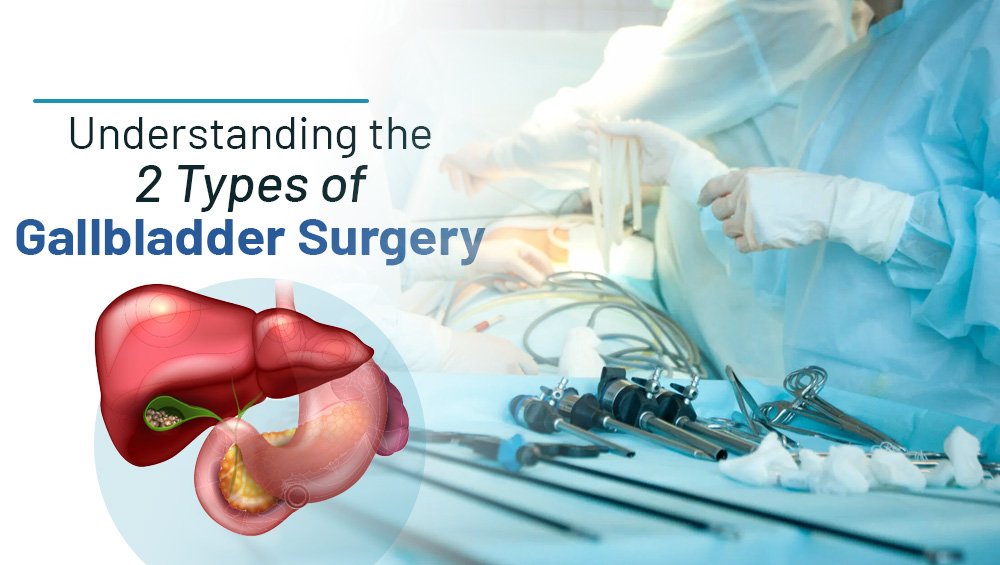
Gallbladder stones are small, solid pieces of gallbladder lining and bile that form inside of a person's gallbladder. These form when bile gets really thick, and widespread changes occur. They can be small, like individual pieces of sand, or very large, like a marble. Some people even only have one large gallbladder stone, while others have many little pieces.
Although most stones are cholesterol, a small number are pigment stones. Trouble only begins when one of these moves, or floats, into a narrow tube or narrow-binding tube (bile duct). These are also when all of the crazy, abnormal pain and movements begin.
Does the Size of a Gallstone Really Matter?
Definitely. The size of the stones matters when it comes to the danger level. Little stones can move easily and migrate to the bile duct. They can get stuck there and do some damage. The larger ones usually stay in the gallbladder, but they can cause problems with prolonged irritation. So with stones of any size, there are associated risks, just in different ways.
There is some danger, as a result, but the doctors look at the size, the number of stones, and the symptoms to determine the actual level of danger.
Which Size of Gallstone Is Considered Dangerous?
- Stones smaller than 5 mm: Very dangerous as they can easily slip into the common bile duct.
- 5-10 mm stones: of moderate risk as they can cause significant pain and swelling of the gallbladder.
- 10-15 mm stones: of high risk as they can cause repetitive pain and infection.
- More than 20 mm stones: Risk of damage to the gallbladder over time.
- More than 30 mm: In very rare circumstances, it may increase the risk of gallbladder cancer.
Why Small Gallstones Can Be More Dangerous
Small stones move quickly and can enter the narrow ducts easily. When they block the duct, it becomes a medical emergency.
Why small stones are risky:
- They can cause pancreatitis, which is very dangerous
- They can block the main bile duct
- They can cause sudden and severe pain
- They are harder to detect on ultrasound
Complications Based on Stone Size
1. Small Stones (<5 mm)
- Danger of going into the ducts
- Acute Pancreatitis
- Jaundice
2. Medium Stones 5 to 15 mm)
- Repeated pain
- Inflamed gallbladder
- Infection (cholecystitis)
3. Large Stones (>20 mm)
- Chronic irritation
- The gallbladder wall gets thicker
- Increased cancer risk if over three centimeters
Symptoms That Indicate a Dangerous Gallstone
- - Intense pain in your upper right abdomen.
- - Pain that also includes your back or shoulders.
- - Fever along with chills.
- - Yellowish skin or eyes.
- - Nausea or vomiting.
- - Stomach becomes shockingly bigger all of a sudden.
- - Your urine is dark, and your stools are very light.
Then you need to get help right away.
When Is Surgery Necessary?
It becomes necessary to perform surgery when the stones start causing pain, infection, or blockage of other organs. When stones of large size or multiple quantities are present, surgery is also recommended as a precaution, even when the stones are completely asymptomatic.
Surgery is needed when:
- There is chronic and recurrent pain.
- Stones block the bile duct.
- Stones trigger an inflammation of the pancreas, a medical condition known as pancreatitis.
- Stones are larger than 20–30 mm in diameter.
- There is an infection or swelling of the organs or tissue.
The surgery is often postponed by many patients who have gone through online forums discussing complications like problems after gallbladder removal years later, or have concerns about stomach issues a year after gallbladder removal. These are common online concerns, but the majority of patients, when the surgery is performed at the right time by a skilled surgeon, will recover without any problem.
Treatment Options for Gallstones
There are different approaches to treating gallstones, though they're not all effective for every patient.
Here is a simple breakdown:
1. Laparoscopic gallbladder removal surgery
This is the most recommended treatment all over the world. In this approach, the gallbladder is taken out through a few small incisions.
Why is this the best treatment
- Pain is gone forever
- Stones never reoccur
- Fastest recovery out of all options
- Safe and efficient procedure
One of the key factors in minimizing long-term problems often brought up in online discussions is selecting the best Gallbladder Surgeon In Gurgaon. The right surgical method and caring for patients after surgery will make it almost impossible to experience any discomfort related to digestion in the future.
2. Drugs (Works Only in Very Rare Occasions)
There are drugs like ursodeoxycholic acid that can weaken and dissolve soft cholesterol stones, but:
- Works only on very, very small stones
- Takes months and months
- Stones come back a lot
- Not helpful for many patients
3. ERCP (Incidentally Only for Stones That Are Blocked in a Duct)
- ERCP is only used when a stone is in a position of being stuck in the bile duct.
- It is for removing the duct stone.
- Does NOT remove the gallbladder.
- It's usually followed by surgery down the road.
4. Shock Wave Therapy (Rare Method)
This uses sound waves to break stones into small pieces. But it is rarely used because:
- Broken pieces can still cause pain
- Stones can come back
- Risk of duct blockage increases
Conclusion
Gallbladder stones can be harmful. It all depends on how big they are and how they move in the body. Smaller stones can become lodged in the bile duct, leading to medical emergencies. Larger stones can irritate the gallbladder for years and create potentially life-threatening problems. Things like pain, fever, vomiting, and jaundice all require an immediate medical response.
Some individuals indeed seek on the Internet such topics as "problems after gallbladder removal years later forum" or "stomach issues a year after gallbladder removal," however, medical experts display that proper surgery typically avoids significant complications and enhances a person's quality of life.
If you are experiencing these signs, you need medical attention that can protect you from more severe complications down the line. Dr. Vikram Aryan is a great choice if you are looking for expert accuracy and a compassionate medical style, as he is the best laparoscopic surgeon in Gurgaon with over 18 years of experience. Getting help before a condition lies stagnant and deteriorates is what you need.