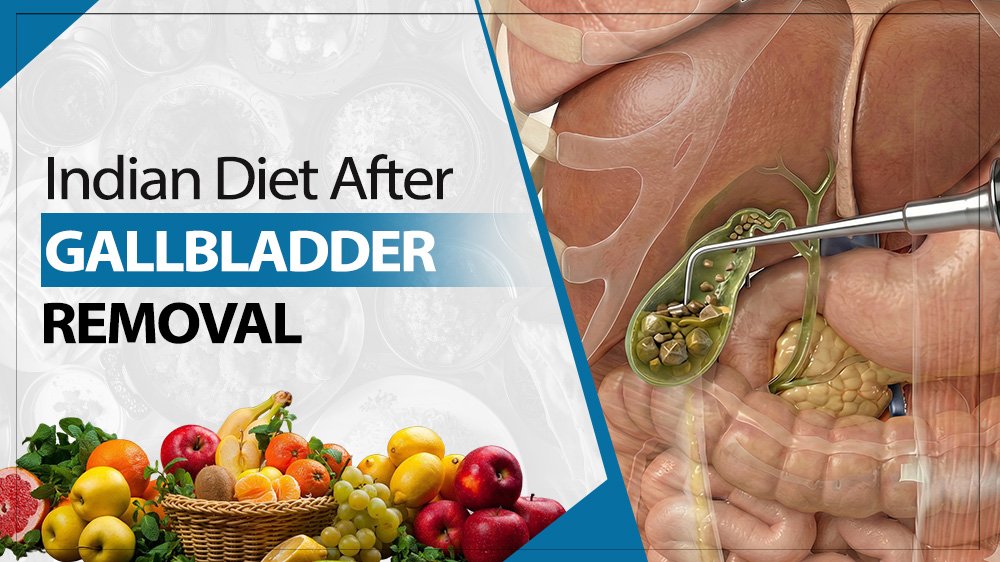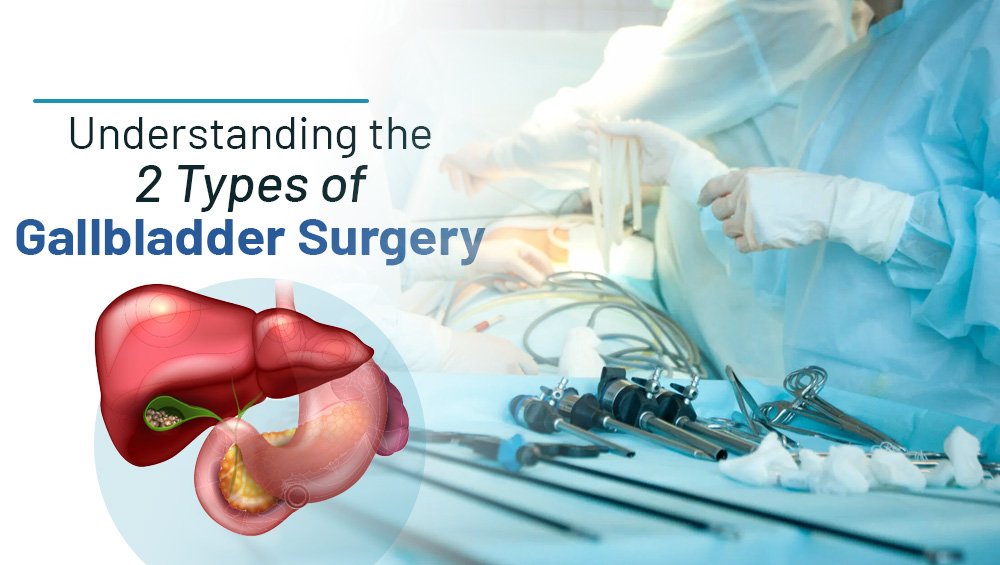
Gallstone disease is very common and may cause discomfort in daily life, resulting in nausea, pain as well and other digestive problems. The gallbladder is an organ that is located below the liver and is responsible for storing bile, the principal fluid used for fat digestion. Sometimes, the development of gallstones can result in them becoming the reason for blockages inside the bile ducts, which can cause pain or even an infection. In such cases situation arises, the only option left is surgery.
There are two primary types of operations of the gallbladder: laparoscopic surgery and open surgery. This knowledge would help you make your health-related choices based on factual differences.
The two types of Gallbladder Surgery
1. Laparoscopic Cholecystectomy: The Gold Standard
Minimally Invasive Gallbladder Surgery
This is the most common and preferred method for removing the gallbladder.
How the procedure is done:
The doctor will make 3-4 small cuts to the abdomen, each measuring 1/2 inch or less. Through one of the cuts, an extremely thin tube with an extremely small camera (called a laparoscope) is introduced so that the doctor can observe inside the abdomen on an LCD monitor. The smaller cut is used for inserting instruments that gradually remove the gallbladder. A tiny amount of gas is utilized to slowly expand the abdomen, which allows the doctor more space to do their work.
Recovery:
Most people go home the same day or the next day. You can usually return to your normal routine in about 1 to 2 weeks.
Benefits:
- Very small scars
- Less pain after surgery
- Short hospital stay
- Faster recovery
2. Open Cholecystectomy: When Tradition Prevails
Understanding Open Gallbladder Surgery
This procedure is not as common and is typically used only in cases where laparoscopic surgery isn't suitable or safe.
How it is carried out:
The surgeon cuts one huge cut that is 4 - 6 inches wide, located on the right upper portion of your stomach just below the ribs. The tissues and muscles are gently removed so the doctor is able to observe the gallbladder clearly. The gallbladder is then taken out by hand.
Recovery:
- Patients typically stay within the hospital for about a week.
- A full recovery could take between 4-6 weeks as the wound is larger and the body requires a longer time to heal.
Benefits:
- If your gallbladder has severe swelling or infection, it could be an indication of a condition.
- If there is excessive scar tissue from previous operations.
- If a problem arises in laparoscopic surgery, the doctor has to switch to open surgery.
- If the doctor suspects that there could be gallbladder cancer, the doctor will advise you.
Recognizing Gallbladder Problems: Symptoms of Gallstones
Gallstones can probably hurt us in many ways, such as but not limited to stomach ache in the upper right portion, shoulder blade area, and fever or chills due to infections. Gallstones can also block a bile duct and cause your skin and eyes to become yellow, which is a medical condition known as jaundice. Indigestion, as well as symptoms not limited to a feeling of constipation, stomach pain or bloating, can also be caused by gallstones. The sooner you realize that you have these symptoms, the more helpful they will be in diagnosing and treating the problem on time.
Understanding the Causes of Gallstones
Gallstones are formed when the bile content in your gallbladder alters negatively. The reason for this can be three reasons:
1. Too high levels of cholesterol: At times, the liver produces more cholesterol than normal. If the bile is unable to dissolve it, then the surplus cholesterol will crystallize and take the shape of a stone.
2. A high level of bilirubin: acidity might be the one in such a case, which could account for it as the most important center of bilirubin synthesis in the body.
3. Gallbladders not draining properly: When the gallbladder does not empty fully, or the possesses a dense consistency. The thick bile is able to easily transform into stones.
Understanding these basic reasons can help you understand the reasons why gallstones occur and the way doctors can determine the best treatment.
Key Risk Factors for Gallbladder Disease
Are You at Risk?
Most gallbladder disease is caused by gallstones, and because to a variety of intrinsic and extrinsic causes.
1. Gender: Because of estrogen, women develop gallstones 2-3x more than men.
2. Age: 40 years old is a significant age threshold for increased risk.
3. Family History and Ethnicity: Increased personal risk if you have a family history of this. Native Americans and Mexican Americans are at a higher risk than other ethnicities.
4. Pregnancy: The risk is increased with the increase in hormone levels such as estrogen and progesterone. estrogen-based birth control as well as hormone replacement treatment.
5. Obesity: A significant risk due to high levels of bile cholesterol.
6. Diet: A diet with low fiber that is high in the levels of cholesterol and refined carbs, and saturated fats could be more dangerous.
7. Fasting: It can increase cholesterol levels in the bile.
8. Sedentary Lifestyle: Particularly, if there is a history of extended physical inactivity, it increases the chance of developing gallstones.
9. Other Illnesses: Risk is higher with diseases like diabetes, insulin resistance, cirrhosis, and Crohn’s Disease.
10. Some Drugs: There’s a slight increase in risk from some drugs that lower cholesterol and from total parenteral nutrition.
How Gallstones Are Diagnosed
The majority of doctors confirm gallstones by using an ultrasound scan that shows stones in clear detail. In exceptional situations, blood tests or CT scans may also be utilized. Diagnosing the problem correctly is very important in deciding if surgery is needed, and at the same time, in choosing the proper treatment strategy.
Laparoscopic vs Open Surgery: Head-to-Head Comparison
Feature | Laparoscopic Cholecystectomy | Open Cholecystectomy |
| Incision Size | Small (3–4, <1 inch each) | One large (4–6 inches) |
| Hospital Stay | Same-day or 1 night | 2–3 days or more |
| Recovery Time | 1–2 weeks | 4–6 weeks |
| Pain Level | Generally lower | Generally higher |
| Complications | Lower incidence (wound, hernia) | Higher incidence |
Key Takeaway: Laparoscopic surgery is preferred for the majority of patients because of quicker recovery time and fewer complications; however, open gallbladder surgery is required in some complex circumstances.
Risks, Recovery, and Post-Operative Life
1. Risks of Gallbladder Surgery
Every surgery comes with a potential risk. The nature of recurrent risk in surgical procedures, when compared to laparoscopic and open surgical procedures, is different:
Laparoscopic Cholecystectomy Risks:
- Minor bleeding at incision sites
- Infection (rare)
- Leakage of bile from the gallbladder in the bed
- Organs damaged are located in the area, such as the bile duct and the intestinal tract
- Sometimes, a surgeon may require a switch to open surgery in the event of complications arising
Open Gallbladder Surgery Risks:
- Greater risk of infection and bleeding owing to a larger incision
- More time to heal abdominal muscles
- The risk of developing a hernia is high near the site of incision
- A slightly higher chance of injury to the bile duct or complications arising from anesthesia
2. Recovery After Surgery
Laparoscopic Surgery Recovery:
- Usually it takes about two weeks
- Less pain and fewer scars
- Patients can often resume normal activities quickly
- A mild abdominal or shoulder discomfort could be due to the gas that is used during surgery.
Open Surgery Recovery:
- Usually, it takes 4-6 weeks
- A more severe pain and a bigger scar
- Slower returning to normal activities
- Careful wound treatment is required, and avoiding lifting heavy objects
3. Life After Gallbladder Removal
After the removal of the gallbladder, most people will be able to return to normal digestion
- Temporary diet modifications: Begin with foods that are soft. Avoid meals that are very fatty initially.
- Long-term: Most patients can maintain a healthy diet with no difficulties.
- Follow-up care: Check for jaundice, fever, or other unusual pain. Notify the surgeon in the event that they happen.
Finding the Right Expert in Gurgaon
Choosing an experienced surgeon minimizes the chances of failure and guarantees superior results. The residents of the NCR area can avail a professional evaluation and customized treatment for their gallbladder through the best laparoscopic surgeon in Gurgaon. Surgeons with experience, who have been operating for many years, can perform both laparoscopic and open cholecystectomy operations without difficulties.
Conclusion
Both open and laparoscopic gallbladder surgery can be effective when it comes to treating gallstones. Laparoscopic surgery is more efficient in recovery time and produces small scars. On the other hand, open surgery is performed only in cases that are more complex. The physician will decide on the most suitable surgical option according to your health status.
If you are looking for a secure and trustworthy treatment, then Dr. Vikram Aryan, the best laparoscopic surgeon in Gurgaon with more than 18 years of expertise, is the one whom you can consult. His proficiency turns the entire treatment into a hassle-free and comforting experience for the patients.