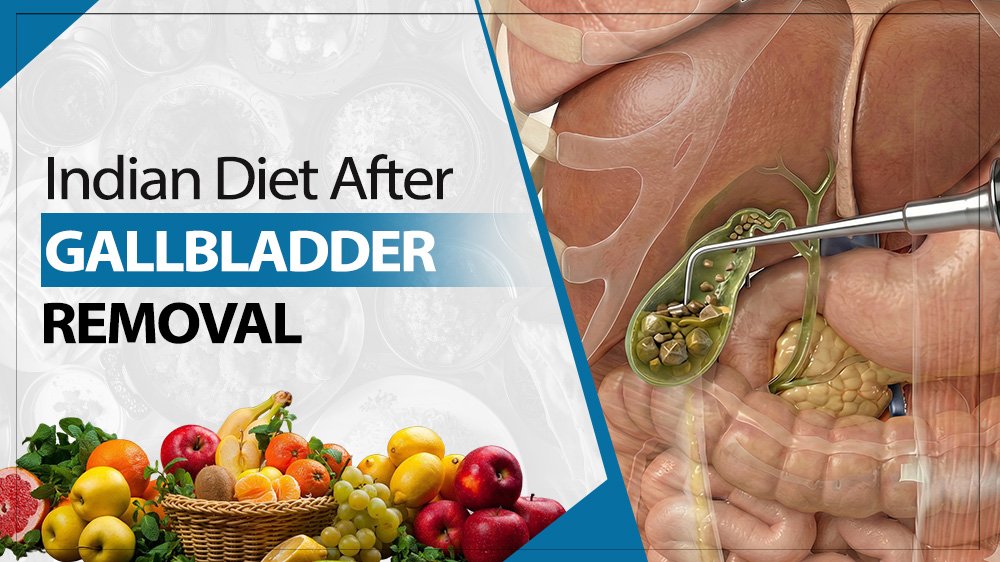
Cholecystectomy, or gallbladder removal, is a highly common procedure. The process of recovery for patients undergoing gallbladder surgery is generally fast, but the query “What can I eat now?” still comes up with most people after the operation. The same question is among the top doubts that patients take to their Laparoscopic Surgeon for clarification.
The explanation is quite straightforward. Bile (a digestive liquid) is what the gallbladder keeps. After the surgical procedure, the passage of bile to the intestine is continuous. Thus, to begin with, the human organism may find it hard to break down lipids and fats. Therefore, it is of utmost importance to adhere to a proper low-fat Indian diet after gallbladder surgery since it is useful to prevent gas, bloating, diarrhea, and digestive problems.
What to Expect After Gallbladder Surgery
Laparoscopic surgery has become a common practice today, where most of the patients undergo this very safe, minimally invasive procedure performed with tiny incisions. Patients who have undergone Gallbladder Surgery are generally discharged from the hospital, depending on their medical status, which is within 24-48 hours.
A few mild symptoms may appear during the first days:
- Bloating or heaviness
- Gas
- Loose stools
- Mild stomach discomfort
These symptoms will gradually drop in case you observe the diet guidelines prescribed by your surgeon. A lot of people feel much better in about 1-2 weeks, particularly when they adhere to a proper Diet plan after gallbladder removal.
Immediate Post-Op Diet: First 24–72 Hours
The initial three days will be complete rest for your digestive system.
1) Liquid Stage (First Day of the 24 hours)
- Only clear liquids are recommended to be consumed, for example:
- Coconut water
- Dal ka paani (thin dal water)
- Rice kanji (thin)
- Warm water
- Clear vegetable soup
2) Semi-Solid Stage (Day 2–3)
Slowly include soft foods one after the other; for example,
- No ghee or oil, plain khichdi.
- Ripe banana, mashed.
- A little soft curd.
- Oats porridge (very thin).
Tip: At this time, do not take tea/coffee and carbonated drinks. This first step is the foundation of your complete Diet plan post gallbladder removal.
4-Week Transition: Vegetarian Diet After Gallbladder Removal
In India, a lot of families have a habit of consuming only vegetarian meals. The plus point is that a vegetarian diet post gallbladder operation is among the most convenient and secure methods for healing.
Grains that deserve to be eaten the most
Select the light and digestible foods:
- Poha
- Upma (less oil)
- Idli
- Daliya
- Soft roti/phulka (no ghee)
Avoid:
- Parathas
- Puri
- Bhature
- Bakery items
Best proteins (very important)
Your body needs protein to heal.
- Yellow moong dal (best option)
- Moong dal khichdi
- Soft paneer (small amount after 2–3 weeks)
Avoid in the first month:
- Rajma
- Chole
- Heavy sprouts
Dairy choices
Dairy is allowed, but go low-fat:
- Skimmed milk
- Thin chaas (buttermilk)
- Fresh curd (small bowl)
Avoid:
- Full cream milk
- Butter
- Cheese
- Cream
Vegetables that suit recovery
Choose “watery” vegetables, which cause less gas:
- Lauki
- Turai
- Tinda
- Kaddu
- Carrot
This vegetarian routine becomes the most practical low-fat Indian diet after gallbladder surgery, especially in the first 4 weeks.
Your Simple 7-Day Low-Fat Indian Diet Plan After Gallbladder Surgery
The following is an uncomplicated sample plan that can be varied slightly and still be used. This is a safe and practical Diet plan after gallbladder removal.
Daily Meal Plan (Example Day)
- Breakfast: Steamed idlis with tomato chutney or Vegetable poha.
- Mid-morning: Papaya bowl or Coconut water.
- Lunch: Moong dal with 1 phulka (no ghee) and steamed lauki sabzi.
- Evening snack: Herbal tea with 2 Marie biscuits.
- Dinner: Vegetable khichdi or Oats porridge.
Rotate options through the week:
- Idli, poha, upma, daliya for breakfast
- Papaya, banana, apple (small), and coconut water as fruits
- Moong dal, kaddu sabzi, lauki sabzi, soft rice for lunch/dinner
This is a great Vegetarian diet after gallbladder removal and suits most Indian patients.
Foods to Avoid for Smooth Recovery
Even if you feel fine, avoid these foods for at least 4–6 weeks:
Fried foods
- Samosa, pakora, kachori
- Namkeen, chips
- Fried papad
High-fat sweets
- Gulab jamun
- Halwa
- Chocolate pastries
Heavy spices
- Too much red chilli
- Heavy garam masala
- Spicy pickles
Gas-causing veggies (initially)
- Cabbage
- Cauliflower
- Broccoli
Avoiding these makes your Low fat Indian diet after gallbladder surgery more effective and prevents loose stools.
Lifestyle Tips for Long-Term Digestive Health
Diet matters, but lifestyle matters as well, especially after Gallbladder surgery.
1) Eat small meals
While we're talking about snacking between conventional meal times, we in all probability would emphasize the biphasic mode with your standing pattern to lose weight, digestion.
2) Stay hydrated
Water intake should be between 2.5 and 3 liters per day.
3) Add fiber slowly
Fiber supports digestion, but too much fiber early can cause gas. Increase it gradually.
4) Start walking
Light walking improves bowel movement and reduces bloating.
Conclusion
Recovery after the removal of the gallbladder is pretty fast, more so if one follows the proper Diet plan after gallbladder removal and maintains a Vegetarian diet after gallbladder removal with low oil. A low-fat Indian diet after gallbladder surgery, taken consistently, can avoid gas, pain, and indigestion.
Still having digestion problems post-surgery? For professional advice and an individual recovery plan after gallbladder surgery in Gurgaon, consult the highly reputed doctor Dr. Vikram Aryan with 18+ years of experience and one of the best laparoscopic surgeons in Gurgaon.