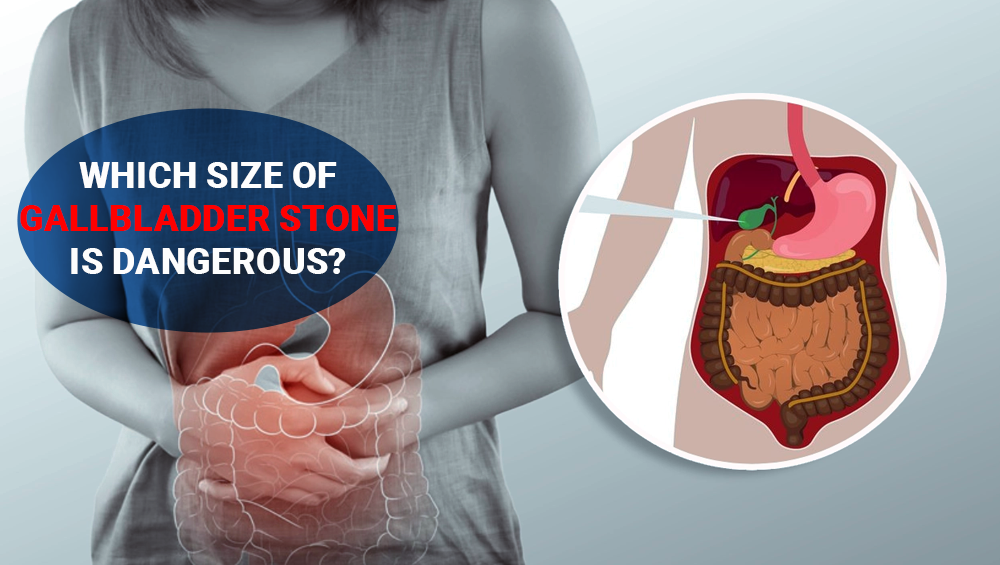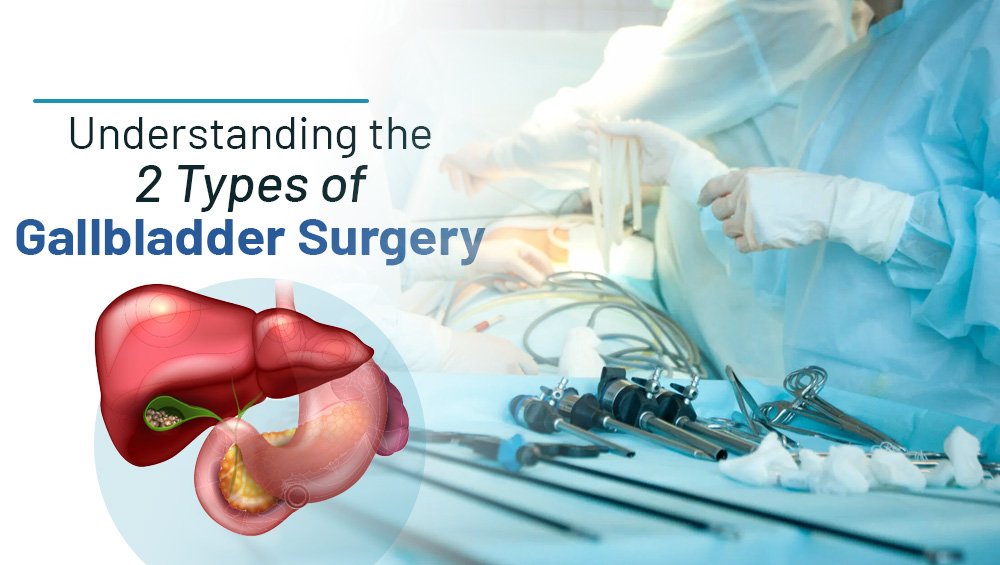
Gallbladder is a small pear-shaped organ located beneath the liver. It acts as the reservoir for Bile, the digestive fluid that assists your organs in the process of removing fats. Usually, it operates quietly and with no issue. If gallstones start to form or there is inflammation, this can cause extreme pain and discomfort.
Being aware of the warning signs of gallbladder disease will aid in getting treatment before problems develop. If you've ever thought about the first indications of a gallbladder that is not functioning properly generally, it's discomfort in the upper abdomen and is often triggered by eating fatty foods.
In this blog, we explain the most important warning signs that you should not ignore, and when you should seek medical assistance.
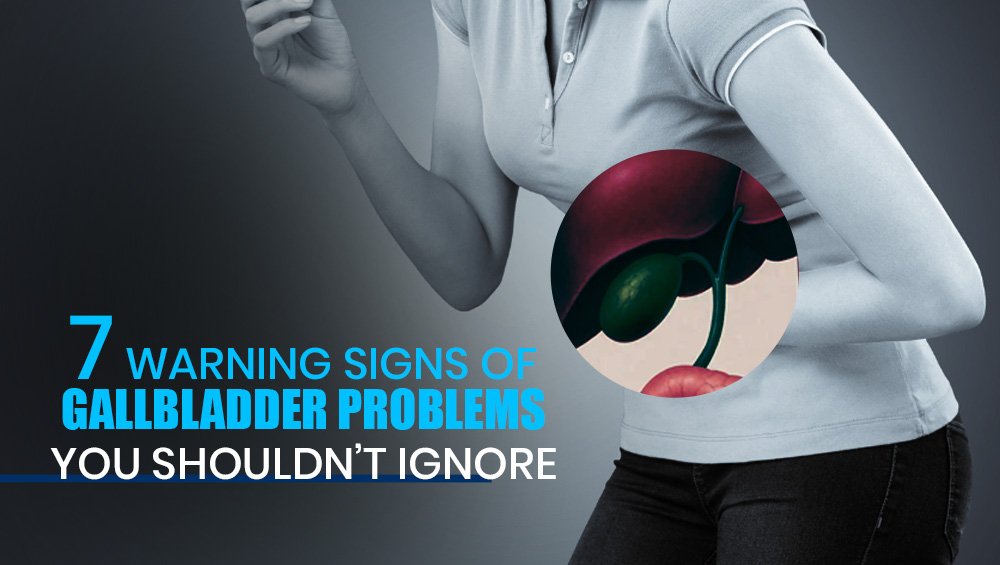
Here are 7 Warning Signs of Gallbladder
1. Sudden, Sharp Pain in the Upper Abdomen
The most common and frequent sign of gallbladder problems is a numbness that appears in the upper right part of the stomach. It typically happens suddenly and can turn painful, stabbing, or even squeeze.
It's often felt under your ribs to the left and in some cases, it spreads into the midsection of your abdomen, or right under the breastbone. Many sufferers notice it begins after an oily or heavy meal. The gallbladder expands and releases the bile; however, it is inaccessible due to gallstones.
The type of pain, referred to as biliary colic, can last for an hour up to a few hours. It doesn't tend to get better by changing positions, either lying down or experiencing bowel movements. The pain can ease up on its own, but will recur after the next meal.
2. Pain Moving to the Back or Shoulder
Gallbladder pain does not always remain in a single spot. It may be moved or "radiate" to other areas within your body, like the right shoulder blade, and between the shoulder blades.
The reason for this is that the nerves that transmit messages of pain from the gallbladder connect to other parts within the body. People often mistakenly think that it is caused by a backache, muscle pull, or even heartache.
If shoulder or back discomfort persists after eating, and continues to persist, it could be something worth examining. It might have something to do with the muscle; it could be instead the gallbladder needs assistance.
3. Nausea and Vomiting
Other signs that indicate problems in the gallbladder include symptoms of sickness that include as feeling sick or nauseated in the stomach. When the gallbladder becomes inflamed or blocked, it is believed that the flow of bile to the intestinal tract becomes restricted, which means that fats aren't taken in properly, causing the feeling of nausea and vomiting.
The symptoms are usually experienced following eating fatty, rich, or processed food. Certain people experience extremely strong nausea, particularly in the event of gallbladder attacks. However, even mild, regular nausea and heartburn, as well as bloating following a meal, can be evidence of a dysfunctional gallbladder.
In the course of time, poor digestion can also be accompanied by a loss of appetite or general discomfort after eating.
4. Fever and Chills
If you experience chills or fever, along with stomach aches, this could mean that your gallbladder is damaged or is inflamed. This condition is known as cholecystitis.
A mild fever may suggest an inflammation that is not serious, an increase in temperature with shaking chills could indicate an expansion of the infection to the bile ducts and possibly the bloodstream. It could be dangerous and require immediate medical treatment.
Don't ignore the signs and symptoms listed above and symptoms; if you experience gallbladder pain caused by nausea, fever, and sharp pain, it is best to immediately see an expert. You may require antibiotics or, in more serious situations, an emergency surgical procedure.
5. Yellowing of Skin or Eyes (Jaundice)
One of the most severe indications of gallbladder and bile trouble is jaundice which is when your skin or the lenses of your eyes begin changing color.
It occurs when something, typically the gallstone, blocks the flow of Bile. It is the home of a yellow pigment referred to as bilirubin. If it is unable to be absorbed by the bowels and intestines and then it accumulates in the bloodstream and causes the appearance of a yellowish color.
If jaundice is present, patients may be experiencing mild urination, pale stool, or itching. This is an obvious sign that there is an obstruction that is serious and must be treated immediately by a medical professional.
6. Changes in Stool or Urine Color
The color of your urine and stool provides important information about what's happening to the gallbladder. Usually, Bile is the reason for the dark brown color of stool. If bile isn't able to get into the intestines because of an obstruction in the intestines, your stool could change from grayish to lighter, as well as clay colored.
In the meantime, your urine could become darker, tea or cola-colored because of the excess bilirubin excreted instead of the digestive tract.
Dark stool with pale stools and urine may be a sign of an obstruction of the bile ducts. The condition requires immediate medical care. If you ignore these changes, it could cause severe gall and liver complications.
7. Ongoing Digestive Problems
Sometimes, there aren't painless gallbladder aches, but instead, it's chronic digestive problems that gradually get worse with time.
There is a possibility of experiencing gas as well as bloating or burps, especially when you consume a lot of food that is spicy or high in fat. Some people feel full after eating only a small portion of food, and certain people cannot take a meal even take a single bite. Other indicators that could indicate this include acid reflux, indigestion, or a feeling of a heavy stomach after meals.
The symptoms, signs, and digestive problems are usually frequent. If you have frequent complaints and you aren't able to eliminate them through simple adjustments to your diet, there could be something wrong with your gallbladder. Doctors can diagnose this through an ultrasound scan or an alternative imaging procedure.
When to Seek Immediate Medical Help
There aren't many people who suffer from gallstones or gallbladder problems who are afflicted with symptoms, at the very least, not immediately. If symptoms are present frequently, they will recur and then become more intense.
If you are suffering from any of these issues, seek immediate medical help:
- Pain that is persistent or severe in the upper abdomen.
- The pain lasts for more than several hours
- The eyes or skin may become yellow
- A chill or a high fever
- Nausea and vomiting that do not stop
They may be a sign of more serious illnesses such as acute cholecystitis, a break in the gallbladder, or pancreatitis. If you get treatment sooner and seek treatment, the less likely you are of complications. This could save your life.
Conclusion
The gallbladder could be small, but it's vital to digestion. If your gallbladder doesn't function properly, you could notice the first signs, which could include nausea, bloating, and stomach discomfort following eating. The initial signs that seem harmless can become more serious when you notice signs of infection and gallbladder rupture. If you pay at these signs and seek the treatment you need at the right moment, it can aid in avoiding discomfort and complications.
If you experience an ongoing pain following eating, you notice a yellowing or swollen eye or skin or eyes, fever, or discoloration of your urine and stool, it is best not to waste time and see a physician immediately. Visit Dr. Vikram Aryan, the best laparoscopic surgeon in Gurgaon, with over 18 years of experience. His experience in minimally invasive gallbladder surgery is a safe and efficient treatment for gallbladder issues. An early diagnosis and the correct treatment will shield your digestive system from problems and help prevent future issues.