Over the past decades, surgery has dramatically changed. The most significant advancement in this field is the laparoscopic surgery, a surgical procedure employed to diagnose and treat pelvic and abdominal problems through small cuts within the abdomen. It is often referred to as keyhole or minimally invasive surgery and it provides more rapid recovery, fewer scars, and lower discomfort in patients compared with traditional open surgery.
For the patients who live in urban cities, where facilities for advanced surgical operations and experienced specialists are available, laparoscopy surgery is now the most sought-after option for all kinds of medical ailments.
Understand The Laparoscopy Surgery
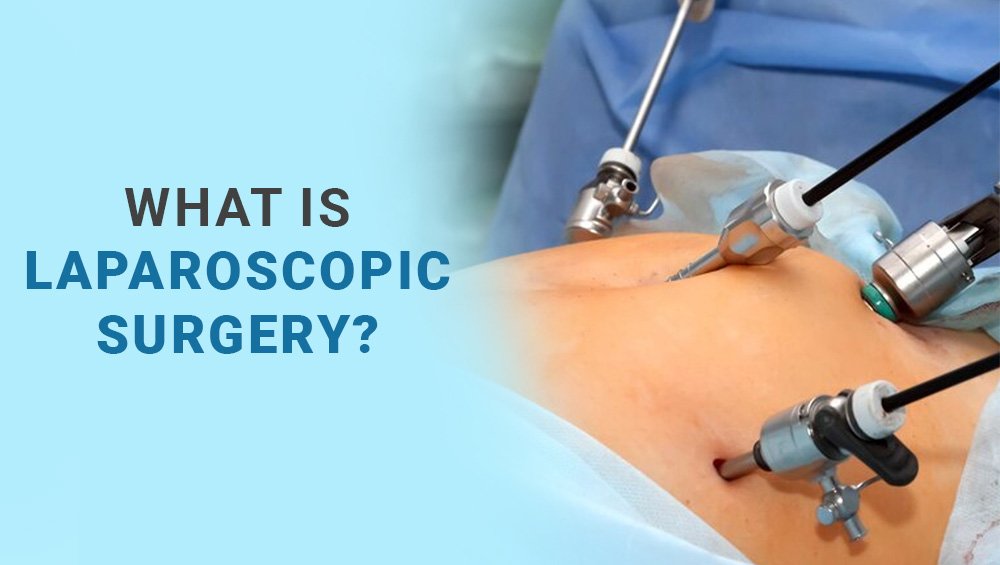
This is a surgical procedure that allows surgeons to see the inside of the abdomen and pelvis without making large incisions by using a special tool called a Laparoscope. It is a long, thin tubular instrument that has a camera on its end.
In the process, the surgeon cuts a half-inch or less around the belly button. The laparoscope is then placed through the cut. The camera broadcasts live images of organs inside to an LCD monitor. From these images, the surgeon can accurately diagnose or conduct surgical procedures with utmost accuracy.
Since the entire process is done under a doctor's supervision, laparoscopy surgery can reduce injuries to the tissues, risk of infection and the time for healing. It has become the gold standard for all routine procedures, to the detriment of open abdominal surgeries.
Different Types of Laparoscopy Surgeries
Laparoscopic operation is an extensive procedure that can be used to perform various abdominal and pelvic operations. The target organ or the issue that the procedure can address in a variety of ways. There are several types of laparoscopic surgeries currently being performed. Each is designed to address specific health issues, with less discomfort, fewer marks, and faster recovery.
Appendectomy:
This is the most frequently performed procedure by laparoscopy surgery. It involves the elimination of an inflamed appendix, which is the treatment for appendicitis. This procedure prevents the tear of the appendix as well as an infection that has spread to the abdomen.
Cholecystectomy:
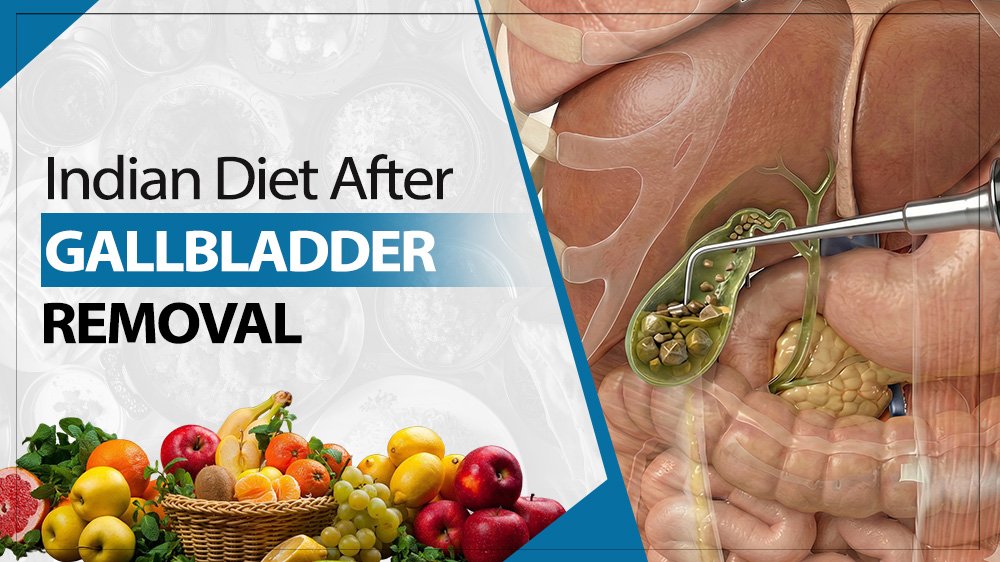
Laparoscopic treatment of the gallbladder to relieve inflammation and gallstones. It is a secure, swift, quick, and efficient surgery that permits patients to heal rapidly with very little discomfort.
Hernia Repair:
Laparoscopic hernia repair can be performed to treat hernias that have developed in the groin or abdominal region. The surgeons use a mesh that is reinforced to repair the muscles that are weak muscles and reduce discomfort and recurrence compared to traditional techniques.
Fundoplication:
The fundoplication procedure is done to combat chronic acid reflux, which is also known as gastroesophageal disease or GERD. The upper portion is wrapped around the upper esophagus apex to stop acid from re-entering the stomach and giving patients long-term relief from heartburn.
Colectomy:
In this type of procedure, it is possible to remove the colon completely or partially to treat conditions such as diverticulitis, colorectal cancer, and intestinal inflammation. Laparoscopic colectomy stands out due to the absence of surgical incisions and an earlier recovery time as compared to open surgical procedures.
Splenectomy:
It is utilized to treat blood disorders, cysts, as well as ruptures in the spleen as a result of trauma. The procedure is not invasive at all and results in fewer complications and less necessity to be hospitalized.
Gastroscopic Bypass along with Sleeve Gastrectomy:
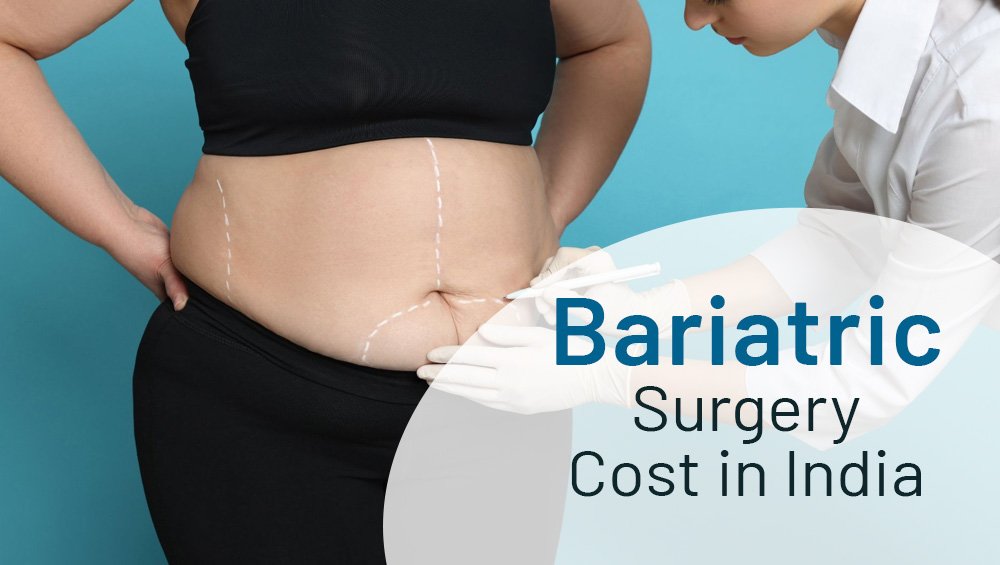
These are bariatric weight loss procedures that are performed laparoscopically for those who are obese to the point of being uncontrollable. They help by shrinking stomachs and altering the way in which one digests food to promote effective weight reduction.
Adrenalectomy:
It is a laparoscopic procedure that removes one adrenal gland in cases where there are signs of a hormone disorder or tumors. It is a safe, precise, and efficient procedure that permits faster recovery and results in little marks.
What is Robotic Laparoscopic Surgery
Thanks to advances in medical technology, minimally invasive surgery has taken on new levels with the advent of robot-assisted surgery. The surgeons perform surgery using an automated system that has precise and computer-aided instruments that can track human hand movements, however, with greater agility and precision.
The robot's arms are operated by the surgeon using an instrument that displays an image in 3D of the site where surgery is performed. This increases accuracy, reduces the risk of tremors, and allows for the ability to access difficult-to-access areas.
Robotic laparoscopy is commonly used in urological surgeries as well as gynecological procedures, as well as complex cancer operations. It is advantageous due to smaller cuts and less pain, as well as lower bleeding, and speedy recovery. It requires specialized training and is only available in the most advanced hospitals.
Why Is Laparoscopy Surgery Performed?
Doctors may prescribe laparoscopic surgery to treat two main reasons: diagnosis as well as treatment.
To diagnose, it can help determine the cause of unanswered pelvic or abdominal pains, in cases where other imaging tests, such as ultrasound, MRI as well and CT scans, fail to give precise solutions. In these instances, it permits surgeons to direct observation of the organs and take small samples of tissue (biopsies) to test.
As a treatment technique, Laparoscopy can be used to treat various diseases, including:
- The removal of the gallbladder (cholecystectomy) for patients suffering from gallstones
- Appendectomy for a swollen or inflamed area. appendices
- Repair of hernias, inguinal and abdominal
- Treatment for endometriosis or fibroids for women
- Removal of the ovarian cysts
- Surgery for a uterine cyst
- Tubal connection or reversal
- Pancreas, liver or surgery for the intestine
- Removal of cysts or tumors
- Weight-loss or bariatric surgery
How to Prepare for Laparoscopic Surgery
Before you can undergo laparoscopic surgery, your doctor will explain the procedure and provide you with specific pre-operative instructions. To ensure safety and a comfortable recovery, you must prepare.
The usual advice is not to consume food or drinks until midnight on the night following surgery. If you are taking any medication that you are taking regularly, your doctor will advise you on what medications you should take as well as which to stop for a short period of time. Get rid of all nail polish and jewelry in addition, as the metal can interfere with instruments that are used during the procedure.
Also arrange for someone to drive you home if you are still not in your senses because of anesthesia. The day before surgery, dress loosely and wear shoes with low heels will ease your mobility afterward.
What Happens During the Procedure
When you undergo laparoscopy, you'll be provided with general anesthesia. It means that you will sleep completely free during the procedure. The surgeon starts by making the surgeon makes a small cut, which is usually located in the abdominal fat. Through this cut, an inert gas, typically carbon dioxide, is injected into the abdomen. This causes it to expand a little.
This creates an opening where the surgeon is in a position to observe and move instruments without harming internal organs.
Once the airspace is filled, the laparoscope can be traversed, and images of your organs are displayed on a screen. Based on the procedure, one or more small cuts may be created to allow special instruments.
When it comes to procedures for diagnosis, the doctor is able to observe or collect small tissue samples. For surgical procedures, they may cut, pull out or repair tissues and organs using these instruments, all without the need for big cuts.
The entire procedure can take between 30 and 3 hours, depending on the particulars of the problem. When the procedure is complete and the gas is removed, the instruments are taken off and the tiny cuts are closed using stitches or surgical glue.
Recovery After Laparoscopic Surgery
Recovery from laparoscopic surgery is considerably quicker than with conventional open surgery. The majority of patients can go home a few hours or at most a day following the procedure.
It is normal to have mild pain, bloating, or pain in the shoulders for a day or two. This is due to the retained gas that was used for surgery, but it should pass soon. Mild painkillers can be prescribed by your physician and you can be advised to rest for two days.
The surgeon starts by making the surgeon makes a small cut, which is usually located in the abdominal fat. Through this cut, an inert gas, typically carbon dioxide, is injected into the abdomen. This causes it to expand a little.
Consuming healthy, light meals, staying hydrated and listening to your doctor are the keys to speedy recovery.
Benefits of Laparoscopic Surgery
Laparoscopic surgery has many advantages that are well documented. The benefits are often felt by patients as soon as the surgery is performed.
- Small incision and scar: There are very small incisions and the scars that remain are barely visible.
- Reduced pain and blood loss: Because there is less tissue damage, pain medication can be reduced.
- Faster recovery time: The majority of people are able to return to normal life within a couple of days.
- Infection risk: Smaller wounds heal faster and there is less chance that they will become infected.
- Hospital stays are shorter: Patients can recover faster at home and spend less time hospitalized.
- Better cosmetic results will be seen in women and younger patients.
Laparoscopy is one of the best surgical procedures available for patients today.
Disadvantages of Laparoscopic Surgery
Although laparoscopic surgeries are among the most efficient and safe procedures, there are some disadvantages.
In the beginning, certain patients may not be candidates. A high level of obesity, a large amount of scarring, or a complicated medical history of certain patients may cause issues when it comes to laparoscopy. In addition, this procedure is highly dependent on the expertise that the surgeon has. It requires a lot of knowledge and training to make sure there isn't any damage to organs or vessels.
Another issue is the carbon dioxide gas, which could result in a temporary swelling or pain in the shoulder post-surgery. Sometimes, there are negative side effects that can take the form of infections, bleeding, or other complications resulting caused by anesthetic reactions.
Additionally, the technology and equipment can be expensive, which could make the total cost of the surgery more than open procedures.
Risks and Complications of Laparoscopic Surgery
Although laparoscopy can be considered one of the safest procedures but there are some dangers. Some serious risks could be posed:
1. Infection or bleeding at the site of the incision.
2. Injuries to blood vessels in the small intestines or organs (very uncommon).
3. Anesthesia can cause complications.
4. Blood clots can form in the lungs or legs.
5. The abdomen may experience temporary swelling or discomfort.
Laparoscopic Surgery vs. Open Surgery
Laparoscopic surgery has similar effectiveness as open surgery but is more comfortable, has a faster recovery time, and improves cosmetic outcomes. Therefore, laparoscopic surgery has become the preferred option for patients and surgeons in most abdominal and pelvic surgeries today.
| Aspect | Laparoscopic Surgery | Open Surgery |
| Incision Size | Small cuts about 0.5–1.5 cm for instruments and the camera | A large cut is required to reach the organ directly |
| Pain | Less pain after surgery | More pain due to bigger cuts |
| Recovery Time | Faster; most back to normal in a few days | Slower; may take weeks to recover |
| Hospital Stay | Usually same day or 1–2 days | Longer hospital stay needed |
| Scarring | Tiny, barely visible scars | Bigger, visible scars |
| Infection Risk | Lower risk | Higher risk |
| Cosmetic Results | Better appearance | Noticeable scars |
| Best For | Most abdominal and pelvic surgeries (gallbladder, appendix, hernia, gynecology) | Complex cases where laparoscopy isn’t possible |
Laparoscopy Surgery vs. Laparotomy Surgery
Here is the difference between Laparoscopy Surgery and Laparotomy Surgery.
| Aspect | Laparoscopy | Laparotomy |
| Type of Surgery | Minimally invasive surgery using a camera and small instruments | Traditional open surgery with a large incision |
| Incision Size | Very small (about 0.5–1.5 cm) | Large incision across the abdomen |
| View of Organs | Surgeons see inside through a laparoscope connected to a monitor | Direct visual access to organs through the open incision |
| Pain After Surgery | Less pain and discomfort | More pain due to larger incision |
| Recovery Time | Faster recovery; most patients return to normal within days | Slower recovery; may take several weeks |
| Hospital Stay | Usually, same-day discharge or 1–2 days | Longer hospital stay required |
| Scarring | Minimal, almost invisible scars | Larger, more noticeable scars |
| Infection Risk | Low due to smaller wounds | Higher du |
Conditions Treated With Laparoscopic Surgery
Laparoscopic surgery can be used to treat many different ailments of the abdomen and pelvis. Using the latest technology and high-definition imaging, surgeons can perform diagnostic and treatment procedures with great precision and minimal discomfort. Below are some of the most common procedures that can be performed through laparoscopic surgery:
Adrenal Gland Removal (Adrenalectomy)
To remove one or both adrenal glands if growths or tumors are detected.
Appendectomy
To remove an inflamed appendix and prevent rupture or infection.
Biopsies
To extract small samples of tissue from organs for diagnostic testing.
Bladder Removal (Cystectomy)
To treat bladder cancer or other serious bladder diseases.
Cancer Surgery
To remove cancerous tumors or tissues from organs such as the kidney, colon, or uterus
Cyst, Fibroid, Stone, and Polyp Removals
To remove abnormal growths like cysts, fibroids, gallstones, or polyps.
Ectopic Pregnancy Removal
To remove an embryo that has developed outside the uterus, usually in the fallopian tube.
Endometriosis Surgery
To remove or treat tissue growths causing pelvic pain or infertility in women.
Esophageal Surgery
To repair or remove diseased or cancerous sections of the esophagus.
Gallbladder Removal (Cholecystectomy)
To remove the gallbladder when gallstones or inflammation cause pain or infection.
Gastric Bypass Surgery
To promote weight loss by reducing stomach size and altering the digestive process.
Hernia Repair Surgery
To repair hernias in the abdominal or groin area using mesh or sutures.
Kidney Removal (Nephrectomy)
To remove a cancerous or damaged kidney.
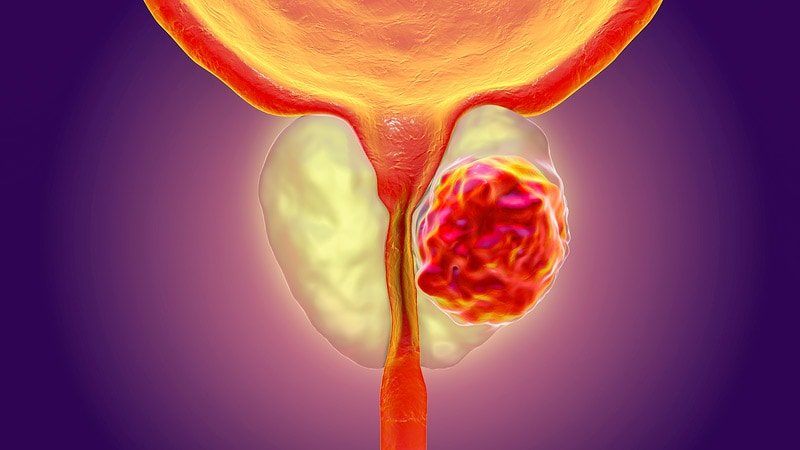
Prostate Removal (Prostatectomy)
To treat prostate cancer or severe prostate enlargement.
Rectal Prolapse Repair
To correct the condition where the rectum slips out of its normal position.
Rectum Removal (Proctectomy)
To remove part or all of the rectum affected by cancer or inflammation.
Partial Bowel Removal
To remove damaged or diseased sections of the intestines.
Partial Liver Removal (Hepatectomy)
To remove part of the liver due to tumors or other conditions.
Small Tumor Removals
To remove small benign or early-stage tumors from abdominal or pelvic organs.
Spleen Removal (Splenectomy)
To treat spleen injury, blood disorders, or tumors.
Stomach Removal (Gastrectomy)
To remove part or all of the stomach in cases of ulcers or stomach cancer.
Testicle Correction Surgery (Orchiopexy)
To reposition undescended or twisted testicles back to their normal location.
Urethral and Vaginal Reconstruction Surgery
To repair or reconstruct damaged urethral or vaginal tissues caused by injury or disease.
Who Should Not Undergo Laparoscopic Surgery?
Though laparoscopic procedures could be considered safe for the vast majority of people, it is possible to are certain patients who may not be suitable. Patients suffering from heart or lung ailments may not be able to undergo CO2 gas, which is administered in conjunction with anesthesia.
Patients with extensive abdominal scarring because of previous surgeries might be afflicted with complications, such as scar tissue that blocks the surgeon's vision or hinders instruments from traversing. The uncontrolled bleeding disorder or the huge tumors can lead to patients being recommended an open procedure.
Your physician will thoroughly look at the medical data as well as your physical condition as well and the seriousness of your illness before recommending the appropriate surgical treatment that is appropriate for your needs.
When to Call Your Doctor
You should closely monitor your recovery following surgery. If you have symptoms such as:
- Fever or chills that persist
- Incisions may be accompanied by redness or pus.
- Severe abdominal pain and vomiting
- Bleeding that does not stop
- Difficulty breathing or urinating
To prevent a problem from getting worse it is important to communicate with your healthcare provider.
Choosing the Best Laparoscopic Surgeon in Gurgaon
Laparoscopic surgery is the way doctors practice their profession. The smaller incisions allow faster healing and less pain. They also leave smaller scars. Laparoscopy is used to treat many conditions including hernias, gallbladders and gynecological problems.
It is important to choose the best laparoscopic surgery in Gurgaon. A surgeon who is skilled like Dr. Vikram Aryan, having experience of over 18 years and uses modern technology and has a caring attitude, He can help make your surgery smooth and speed up recovery. Laparoscopy is a technique that makes surgery more comfortable and easier for patients.
Final Thoughts
Laparoscopic surgery has completely transformed our approach to surgical technique. With smaller incisions, smaller amounts of pain, quicker recovery time and less scarring, it is significantly less painful for the body and at the same time, less anxiety-provoking for patients.
Whether it is for gallbladder removal, hernia repair or female health issues, laparoscopy is considered a safe/effective technique.
Consider having your laparoscopic procedure performed by an experienced surgeon such as Dr. Vikram Aryan if you are a resident of Gurgaon, for a smooth procedure, less discomfort and ultimately the best preparation for a speedy recovery.