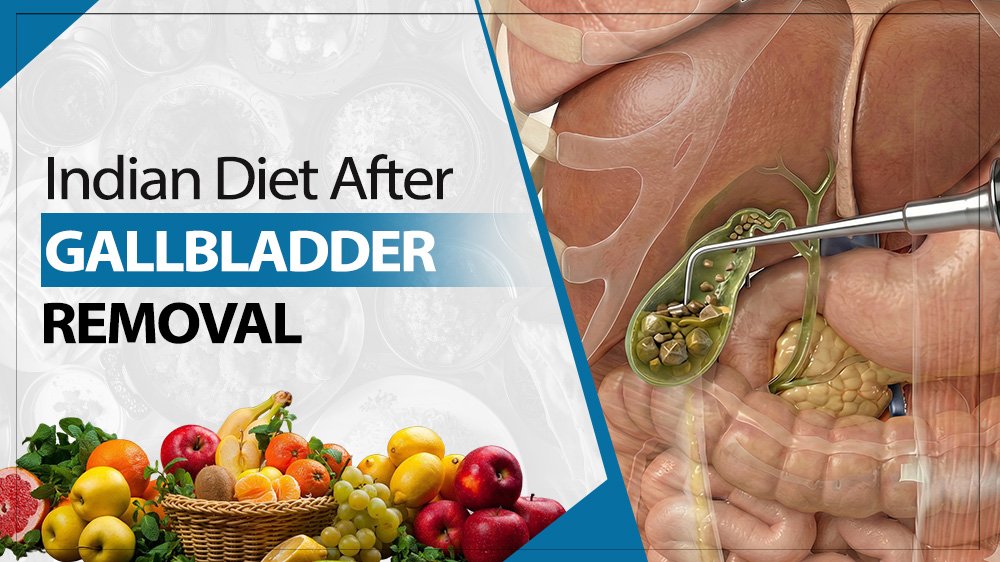
If you often feel a sharp or dull pain in your upper right belly, especially after eating fried or heavy food, it could be a sign of a gallbladder problem. The gallbladder is a small organ under your liver that helps digest fat by storing bile. When something blocks or irritates this system, you may experience gallbladder pain.
The most common cause of gallbladder pain is gallstones—small, hard stones that can form inside the gallbladder. These stones can block the bile duct, causing inflammation, infection, or what’s known as a gallbladder attack.
But gallbladder pain isn’t always about stones. It can also happen due to infections, bile duct blockages, or even gallbladder cancer. Let’s understand more about this condition, how it feels, and when to get help from a laparoscopic surgeon in Gurgaon.
What Does Gallbladder Pain Feel Like?
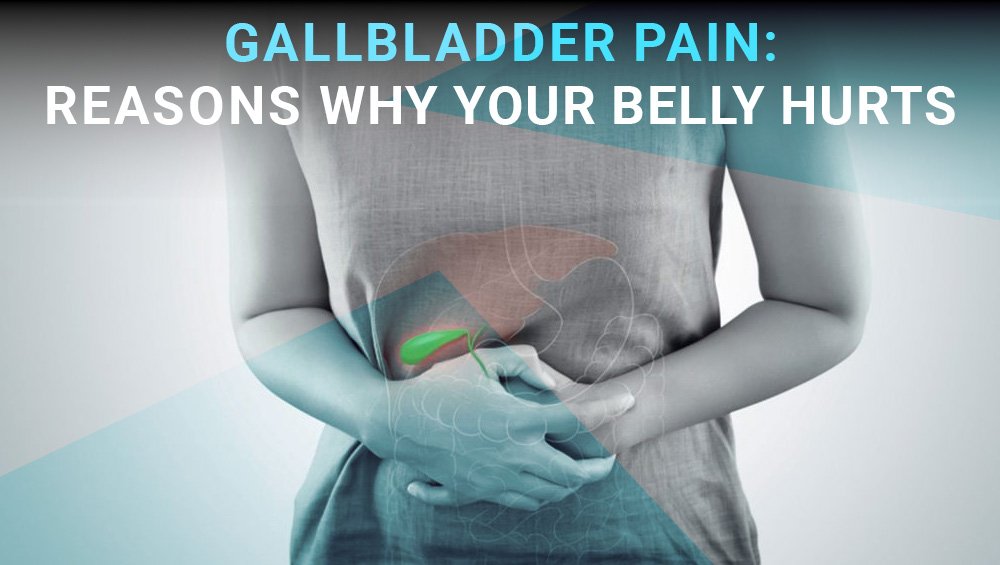
If you are wondering what gallbladder pain feels like, the answer is that it usually starts in the upper right side of your abdomen. For some people, it can be mild and dull; for others, it can be sudden, sharp, and unbearable.
You may feel pain:
- Under your ribs on the right side
- In your upper belly after eating fatty or oily foods
- That moves to your right shoulder or back
The pain can last from a few minutes to several hours. During a gallbladder attack, you might also experience:
- Nausea or vomiting
- Bloating or gas
- Fever or chills
- Yellowish skin or eyes (jaundice)
If you feel these gallbladder symptoms regularly, you should consult a doctor immediately. In some cases, gallbladder surgery may be needed to treat the root cause.
Common Causes of Gallbladder Pain
There are several reasons why your gallbladder might hurt. Below are the most common causes explained simply.
1. Gallstones
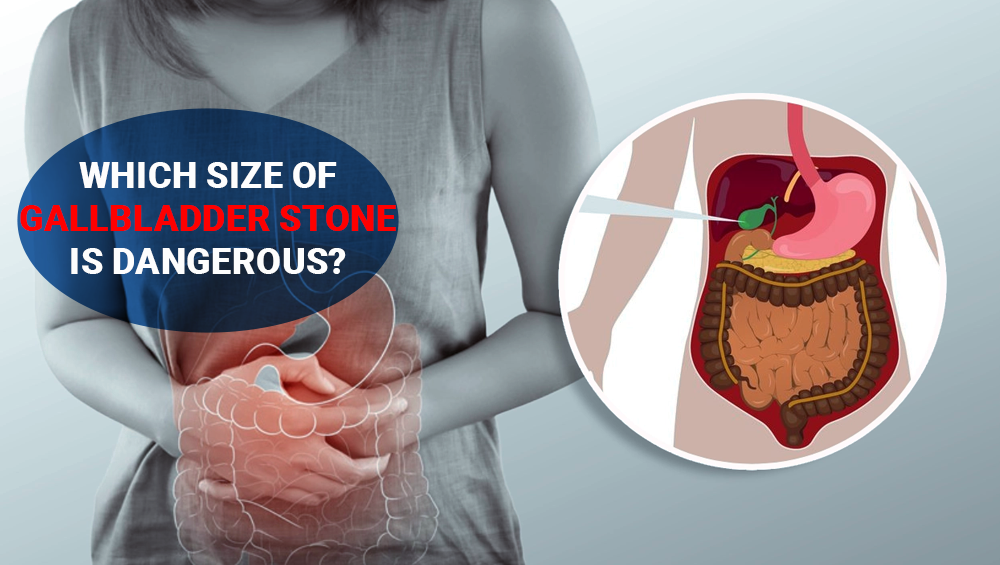
Gallstones are the most common cause of gallbladder pain. These stones form when bile (a fluid that helps digest fat) becomes thick and hardens. They can be as small as a grain of sand or as large as a golf ball.
When a gallstone blocks the bile duct, it causes sudden pain and inflammation, leading to a gallbladder attack. Some people may have gallstones without knowing, as they might not show any gallbladder symptoms. But when the pain starts after eating oily food, it usually means the stones are causing trouble.
If you experience repeated attacks, your doctor might suggest gallbladder surgery to remove the organ safely and prevent future issues.
2. Bile Duct Stones
Sometimes, gallstones move out of the gallbladder and get stuck in the bile ducts. This can cause severe pain, vomiting, and jaundice. If untreated, it may also lead to infection.
Doctors usually remove these stones through a small camera-based procedure called an endoscopy. For more serious cases, they might refer you to a laparoscopic surgeon in Gurgaon who can perform surgery using tiny cuts, helping you recover faster.
3. Gallbladder Inflammation
Gallbladder inflammation, also called cholecystitis, happens when the gallbladder gets swollen due to infection or gallstones. It causes long-lasting pain in the upper belly or right shoulder.
If not treated on time, it can lead to infection or damage to the gallbladder. In such cases, gallbladder surgery is often required to remove the inflamed organ and prevent further complications.
4. Gallbladder Abscess or Perforation
In rare cases, an untreated infection can cause pus to build up inside the gallbladder, forming an abscess. Sometimes, the gallbladder wall may even tear (perforate). This is a medical emergency and needs immediate treatment.
If this happens, surgery is the only way to fix it. Always see a laparoscopic surgeon in Gurgaon for advanced, safe, and quick treatment.
5. Gallbladder or Bile Duct Cancer
Although not common, gallbladder or bile duct cancer can cause ongoing pain, weight loss, and yellowing of the skin. Early detection is very important for better outcomes.
Doctors often recommend imaging tests like ultrasound or MRI to find the problem. If surgery is needed, modern laparoscopic surgery techniques are available that allow faster healing and less pain.
Symptoms of a Gallbladder Attack
A gallbladder attack happens suddenly and usually after eating foods high in fat or oil. The pain can be mild at first but quickly becomes severe.
Here are common gallbladder symptoms to look out for:
- Sharp pain in the upper right abdomen – It can last for a few minutes or several hours.
- Pain spreading to the shoulder or back – Common during a gallbladder attack.
- Nausea or vomiting – Especially after heavy or fried meals.
- Bloating and gas – You may feel full even after a small meal.
- Fever or chills – A sign of infection or inflammation.
- Yellow skin or eyes (jaundice) – Indicates a blockage in bile flow.
- Dark urine or pale stools – Due to bile duct obstruction.
- Tiredness or weakness – Ongoing gallbladder problems can cause fatigue.
If you notice these symptoms often, it’s best to see a laparoscopic surgeon in Gurgaon for proper diagnosis and treatment.
How Gallbladder Pain Is Treated
The treatment depends on what’s causing the pain and how severe it is.
- Medications: Painkillers may relieve mild pain, and antibiotics can treat infections.
- Endoscopy: Used to remove stones from the bile duct or open the ducts for better bile flow.
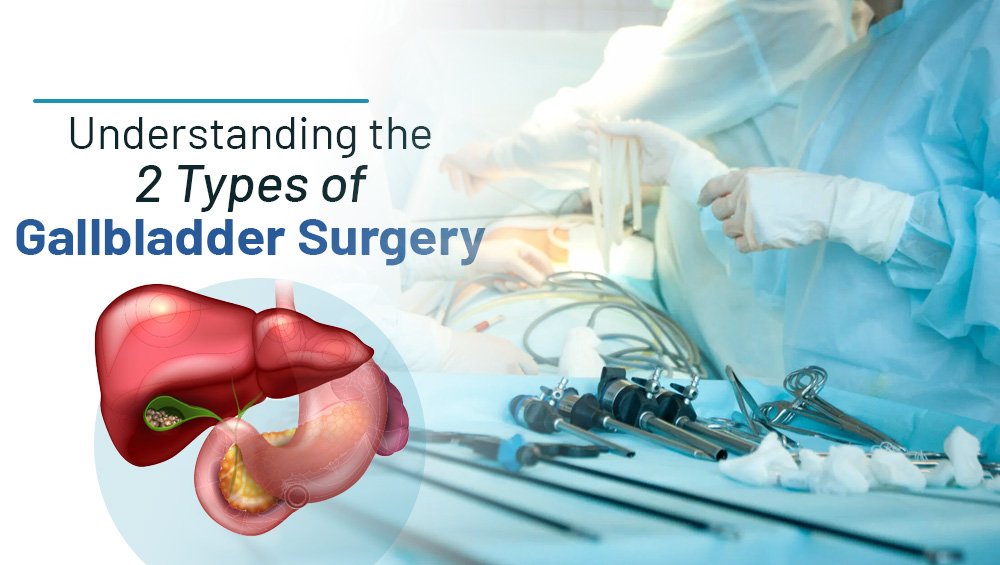
- Gallbladder Surgery (Cholecystectomy): If you have frequent gallbladder attacks or inflammation, doctors might recommend removing the gallbladder.
Most patients today prefer laparoscopic gallbladder surgery, as it involves small cuts, less pain, and faster recovery compared to open surgery. You can consult a trusted laparoscopic surgeon in Gurgaon for a complete evaluation and modern treatment options.
Lifestyle Tips to Prevent Gallbladder Pain
You can prevent future gallbladder problems by making simple changes in your lifestyle:
- Eat more fruits, vegetables, and fiber-rich foods.
- Avoid fried, processed, and oily meals.
- Stay active — try walking or light exercise daily.
- Drink plenty of water to keep bile flowing.
- Avoid skipping meals or crash diets. Sudden weight loss can trigger gallstones.
Following these tips can help reduce gallbladder symptoms and prevent future attacks.
When to See a Doctor
You should see a doctor right away if you have:
- Severe upper right abdominal pain
- Fever or vomiting
- Yellow eyes or skin
- Dark urine or pale stools
- Pain that continues even after gallbladder surgery
Ignoring these signs can make the condition worse. Early treatment from a laparoscopic surgeon in Gurgaon can save you from serious complications.
Takeaway
Gallbladder pain may seem minor at first but can lead to serious health problems if ignored. Understanding what does gallbladder pain feel like and knowing the main gallbladder symptoms can help you get timely treatment.
If you face repeated gallbladder attacks or continuous discomfort, don’t delay getting help. You can consult Dr. Vikram Aryan, a leading laparoscopic surgeon in Gurgaon, with over 18 years of experience in treating gallbladder conditions.
With proper diagnosis, modern gallbladder surgery, and lifestyle changes, you can live a healthy, pain-free life again.
FAQs About Gallbladder Pain
1. What causes gallbladder pain?
Gallbladder pain usually happens when bile flow is blocked by gallstones, infection, or inflammation. The pain often starts in the upper right belly and may spread to the shoulder or back.
2. How can I manage mild gallbladder pain at home?
You can use a warm compress, drink peppermint tea, and rest. But if the pain repeats or becomes severe, it’s important to consult a laparoscopic surgeon in Gurgaon to rule out serious issues.
3. Can children have gallstones?
Yes, though rare. Children who are overweight or have certain health conditions may develop gallstones and show gallbladder symptoms like nausea, vomiting, or stomach pain.
4. What happens during gallbladder surgery?
During gallbladder surgery, the doctor removes the gallbladder to stop pain and prevent new attacks. Laparoscopic surgery is the most common method, offering smaller cuts, less pain, and quicker healing.